
 Request A Quote
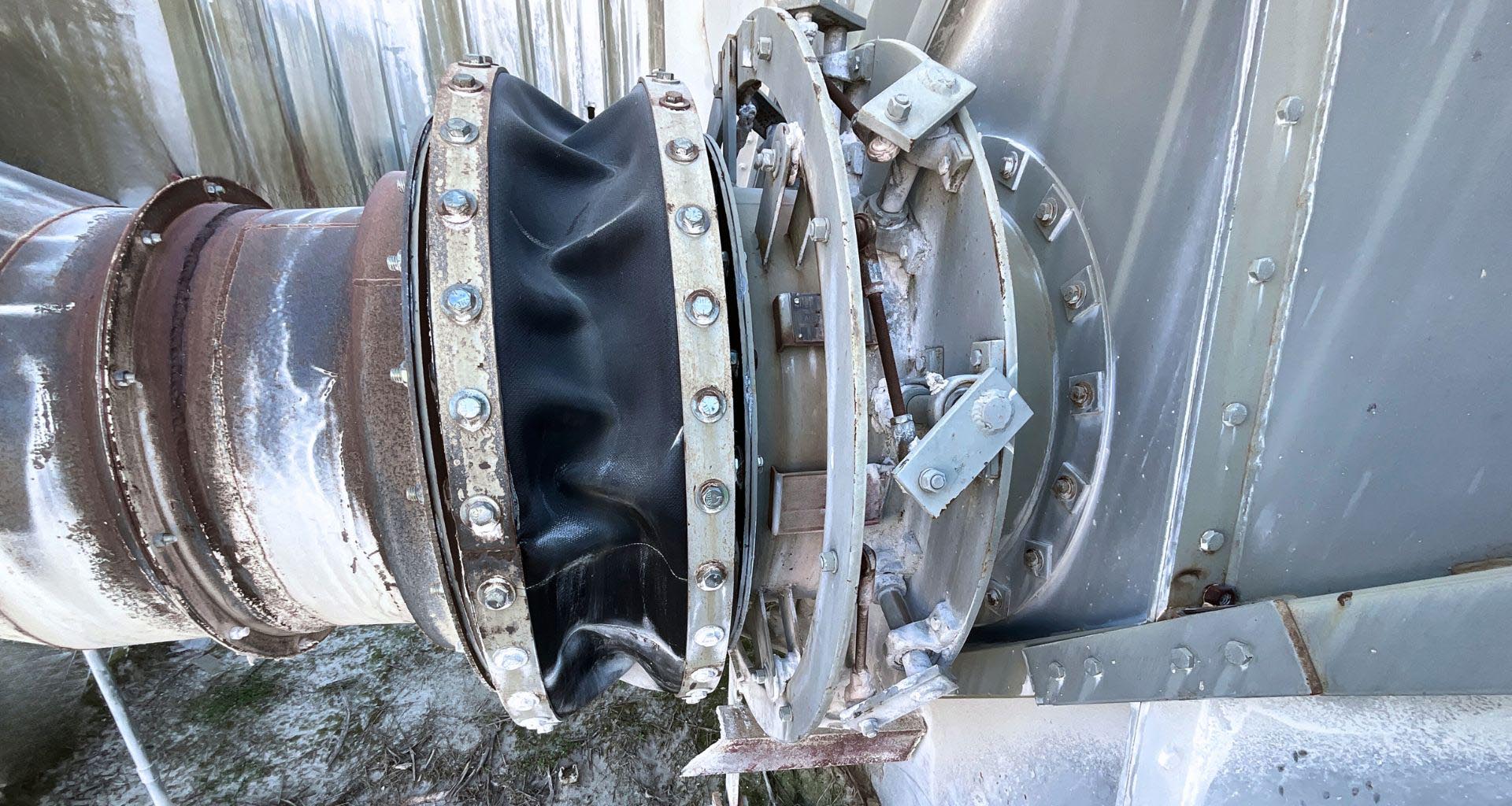
Industrial dampers are more than just mechanical gates. They’re vital tools for controlling airflow, isolating equipment, and improving overall system performance. In manufacturing environments where air and gas control are critical to operations, industrial dampers are the key to safety and reliability.
From combustion air regulation in power plants to fume control in chemical processing, the right damper helps ensure your system performs as required. This guide reviews the primary damper types, common uses, and key design factors—drawing on field experience and industry guidance.12
Dampers are found across a wide range of industrial systems to regulate, isolate, or redirect airflow and process gases. In steel and cement plants, the focus is managing combustion air and exhaust, while chemical and petrochemical sites rely on isolation dampers for equipment protection and shutdowns.
Find more about damper solutions for your sector at Industrial XPO’s Product Overview.
Choosing the right damper type comes down to your process needs. Some of the most common include:
A butterfly damper uses a single blade on a shaft for basic flow control—compact, cost-effective, and versatile.
Louver dampers have multiple blades that open or close together for more refined modulation and quicker response. They’re configured for parallel or opposed operation depending on airflow needs.
The guillotine damper operates with a flat plate sliding across the duct, allowing full shutoff if needed. Used for isolation in tough or hazardous environments where safety dictates zero leakage.
Diverters reroute flow from one duct to another, often using a pivoting or rotating blade.
Mounted on the fan inlet, inlet vane dampers pre-spin incoming air for higher efficiency and optimal fan output.
For project support on selection and sizing, consult Industrial XPO’s engineering team.
Specifying a damper starts with your system’s operating conditions. Key aspects include:
More guidance on best practices is available with ASHRAE’s Handbook—HVAC Systems and Equipment as an additional reference.2
What leakage class should I specify?
Leakage classes are defined by AMCA Standard 500-D. Class 1A is the tightest. If you require near zero-leakage, a higher class number means more allowable air passage through the closed damper.1
How do I select a damper for high temperatures?
High temperatures can warp or degrade non-metallic materials—use high temperature steels including stainless or nickel alloys, and consider expansion, blade design, and insulation.2
Is a VFD better than an inlet vane damper?
VFDs offer greater control over fan speed, but inlet vanes may be more suitable depending on performance requirements and budget. Review AMCA and AHRI guides for specifics; and our engineers can help you weigh the options.
Where can I find accepted industry standards?
Authoritative standards include:
At Industrial XPO, we support everything from damper specification to final commissioning. If you’re working through an airflow or isolation challenge, reach out to our application experts today for straightforward guidance and reliable products.
