
 Request A Quote
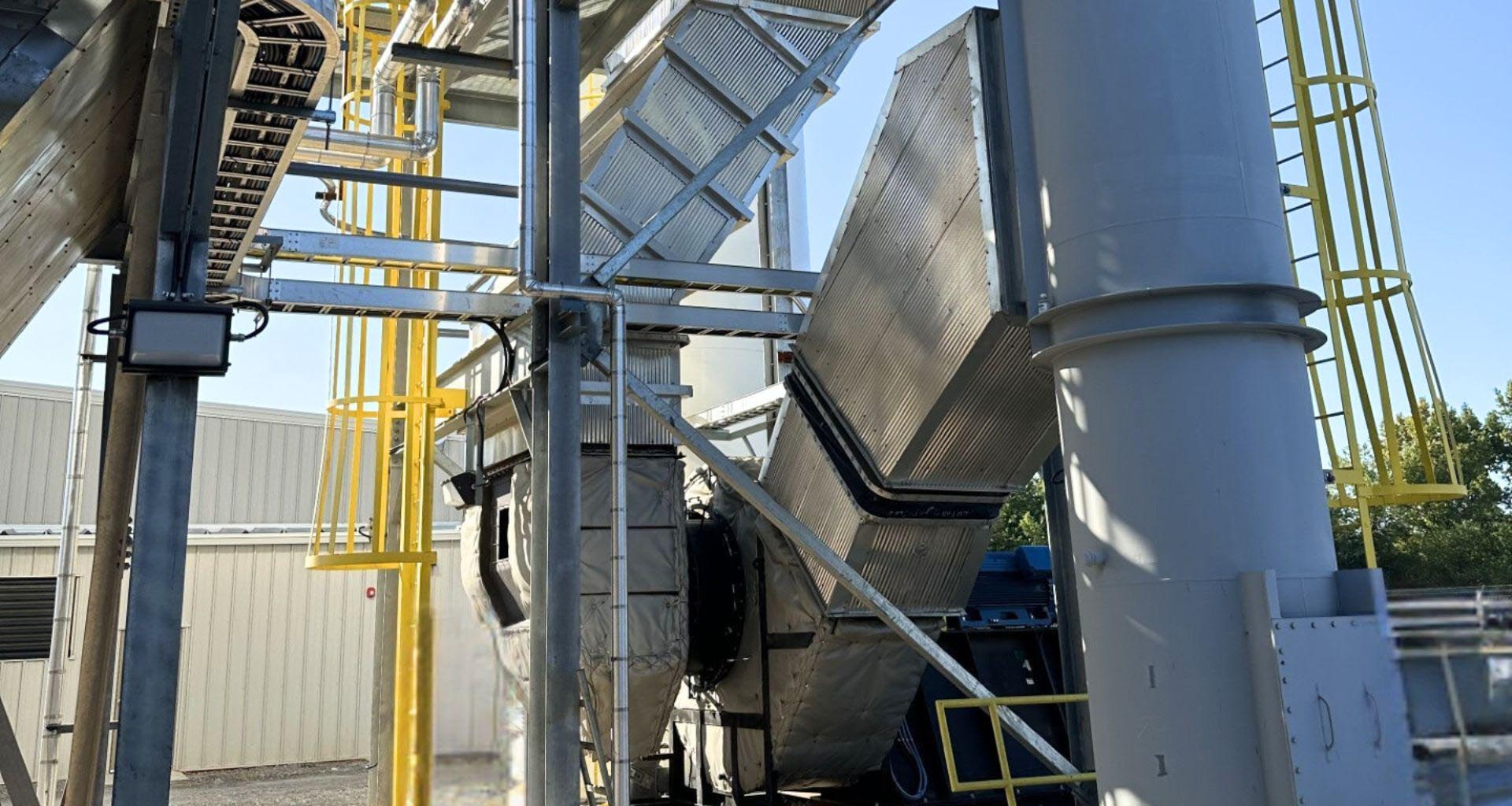
Expansion joints are critical components in industrial piping and ducting systems. They absorb movement caused by thermal expansion, vibration, and misalignment, protecting equipment and maintaining system integrity. IndustrialXPO provides engineered expansion joint solutions for high-temperature, high-pressure, and chemically aggressive environments across industries like steel, cement, power, chemical, and petrochemical.
Expansion joints are used to manage dimensional changes and mechanical stress in piping and ducting systems. Common applications include:
Thermal Expansion Compensation: Preventing damage from temperature-induced growth or contraction in hot gas or fluid systems.
Vibration Isolation: Reducing transmission of vibration from pumps, fans, and compressors to connected equipment.
Misalignment Correction: Accommodating installation tolerances and movement between fixed points.
Pressure Relief: Managing internal pressure fluctuations in high-pressure systems.
IndustrialXPO supplies various expansion joints to meet these diverse needs, with system selection based on movement type, media characteristics, and installation constraints. These engineered flexible connectors are designed to absorb thermal and mechanical movement in piping systems and industrial ducting.
Accessories such as flow liners, insulation pillows, and control rods are available to enhance performance and longevity.
Proper expansion joint selection depends on a thorough evaluation of several technical factors to ensure system reliability and safety.
Our engineering team evaluates these parameters to design expansion joints that meet performance and safety requirements. We also consider lifecycle costs, maintenance access, and future scalability so you get the full benefit and lifespan out of your equipment.
IndustrialXPO delivers complete expansion joint solutions, from design and supply to installation and service. Our team works directly with plant engineers and maintenance teams to specify each system based on its unique operating conditions, materials, and performance requirements.
Contact us to speak with an application engineer and get started on your next project.
